Access
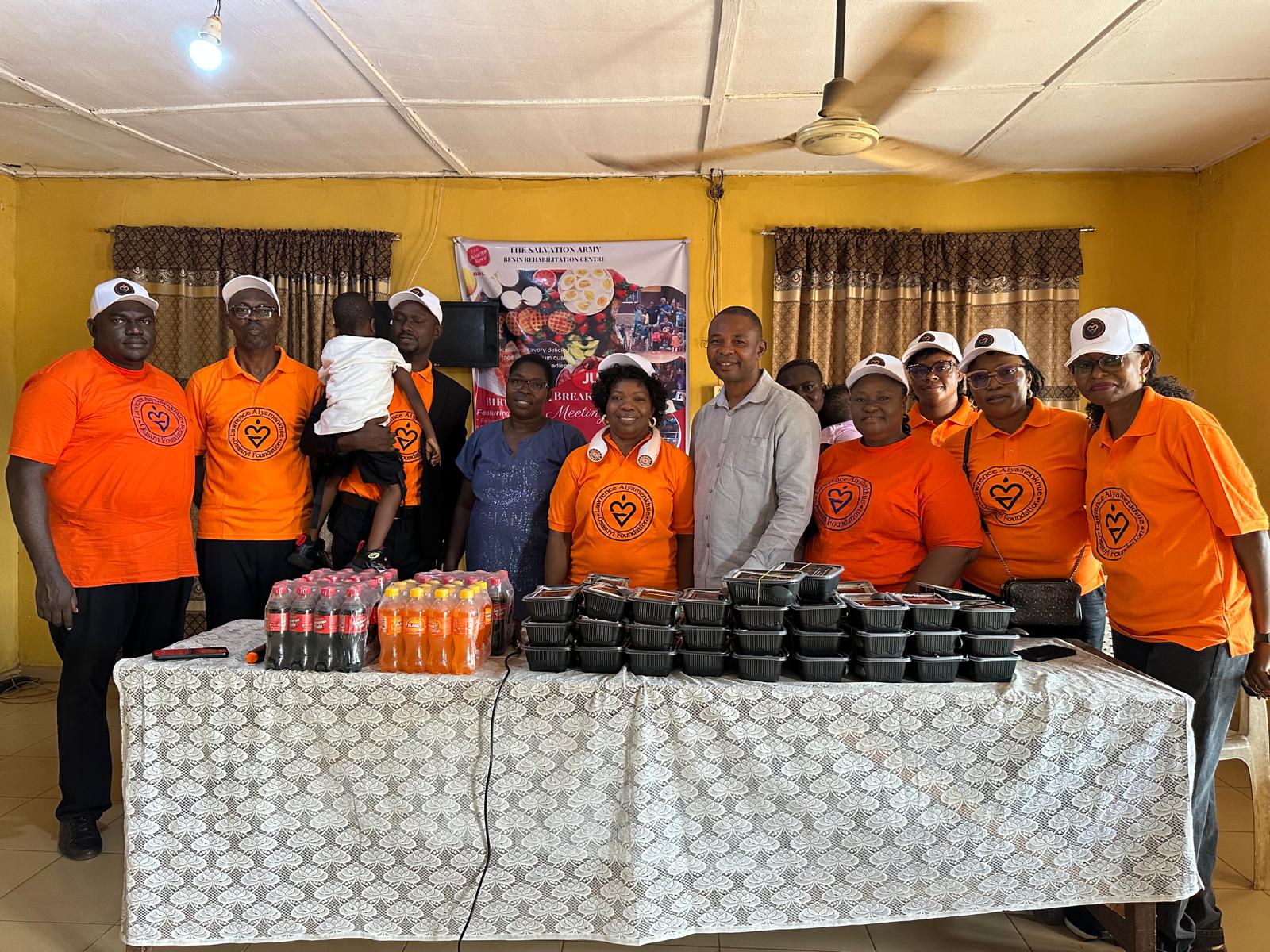
Did support reach people who previously lacked access to resources, services or opportunities?
What Changes
/We measure our work not only by what we provide, but by what becomes possible for people because support reached them at the right time.
Impact Is What Changes Afterwards
Our View Of Impact
Distributing resources, organising an outreach programme or conducting a training session tells us what happened. It does not automatically tell us whether the intervention improved someone's life.
That distinction shapes the way we think about impact. We are interested in outcomes — whether people gained access, knowledge, skills, confidence, stability or opportunity because our work reached them.
Some change can be measured immediately. Other outcomes take time to become visible. Our responsibility is to keep learning, listening and improving how we understand both.
This means combining programme data with feedback, observation, community experience and longer-term indicators wherever possible.
How We Think About Results
Meaningful impact happens in stages. We consider the immediate support delivered, the change it creates and whether that change can continue after our direct involvement ends.
Did support reach people who previously lacked access to resources, services or opportunities?
Did the intervention improve knowledge, wellbeing, capability, participation or economic opportunity?
Are individuals and communities better equipped to withstand future challenges?
Can the benefits continue beyond the programme, event or immediate intervention?
Impact Across Our Work
Each area of our work addresses a different barrier, but the outcomes we pursue are connected.
 Education
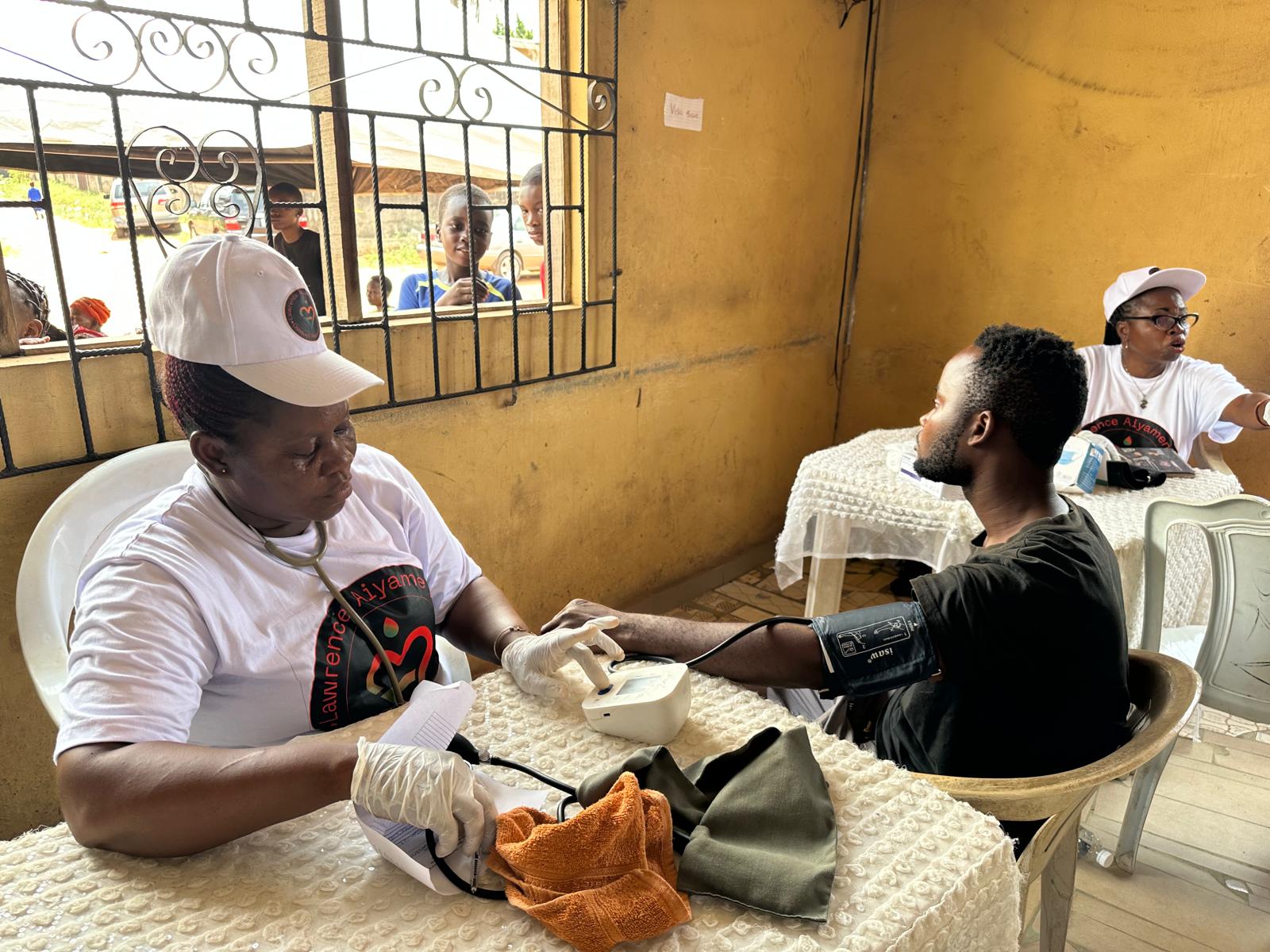
Educational support matters when children and young people are better able to participate in learning, remain engaged, develop confidence and pursue opportunities that may once have seemed beyond reach.
Outcomes we care about
— Improved access to learning resources
— Stronger participation in education
— Increased confidence and aspiration
— Greater exposure to future opportunities
 Health
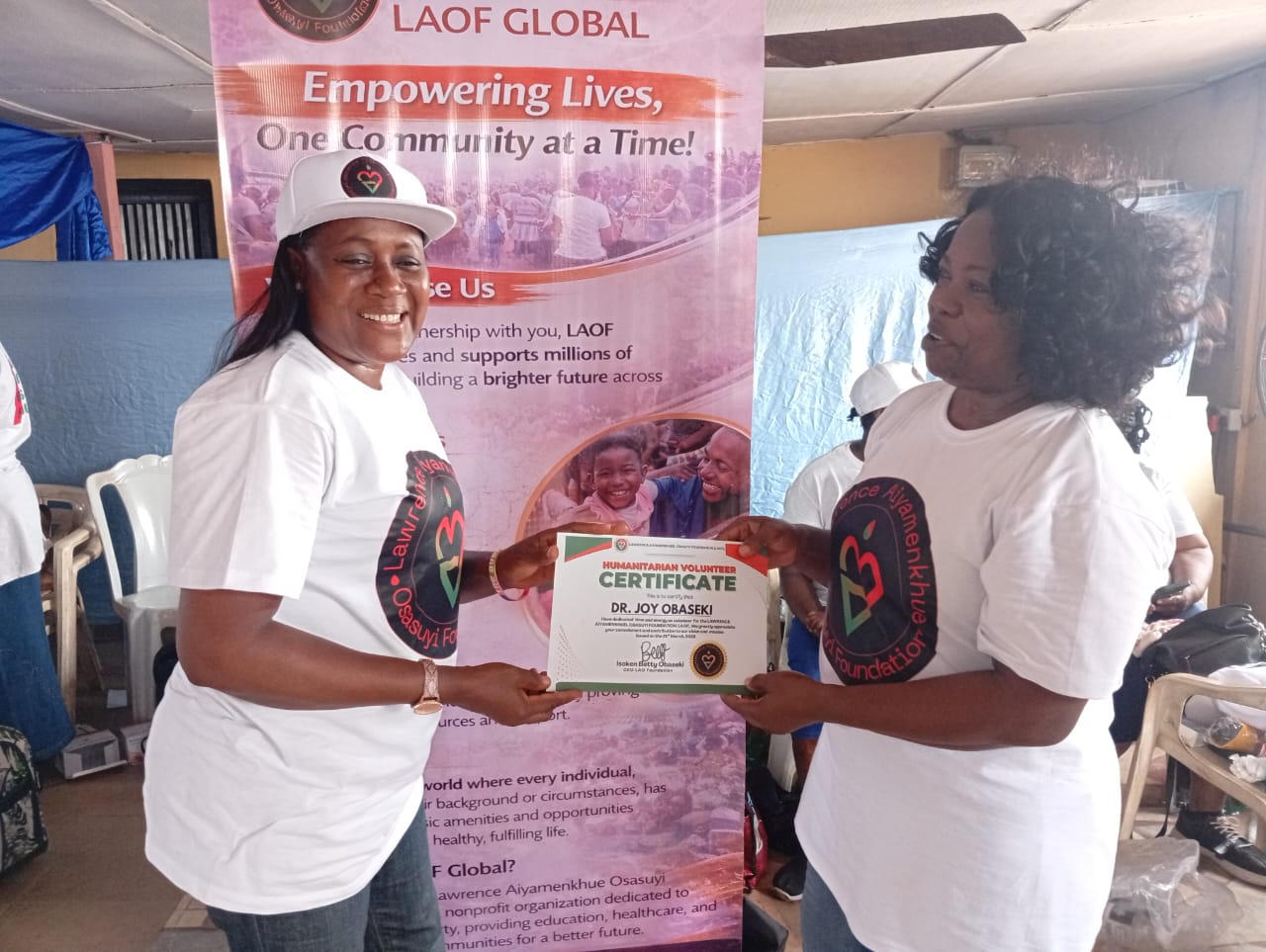
Health initiatives become meaningful when people can recognise risks earlier, access essential support and make better-informed decisions about their wellbeing.
Outcomes we care about
— Increased health awareness
— Earlier access to basic screening
— Improved preventive knowledge
— Stronger connection to appropriate care
 Empowerment
Empowerment is not simply about providing temporary assistance. It is about increasing people's ability to make choices, develop useful capabilities and build more secure livelihoods.
Outcomes we care about
— Practical skills development
— Increased economic confidence
— Improved livelihood opportunities
— Greater personal independence
 Community Support
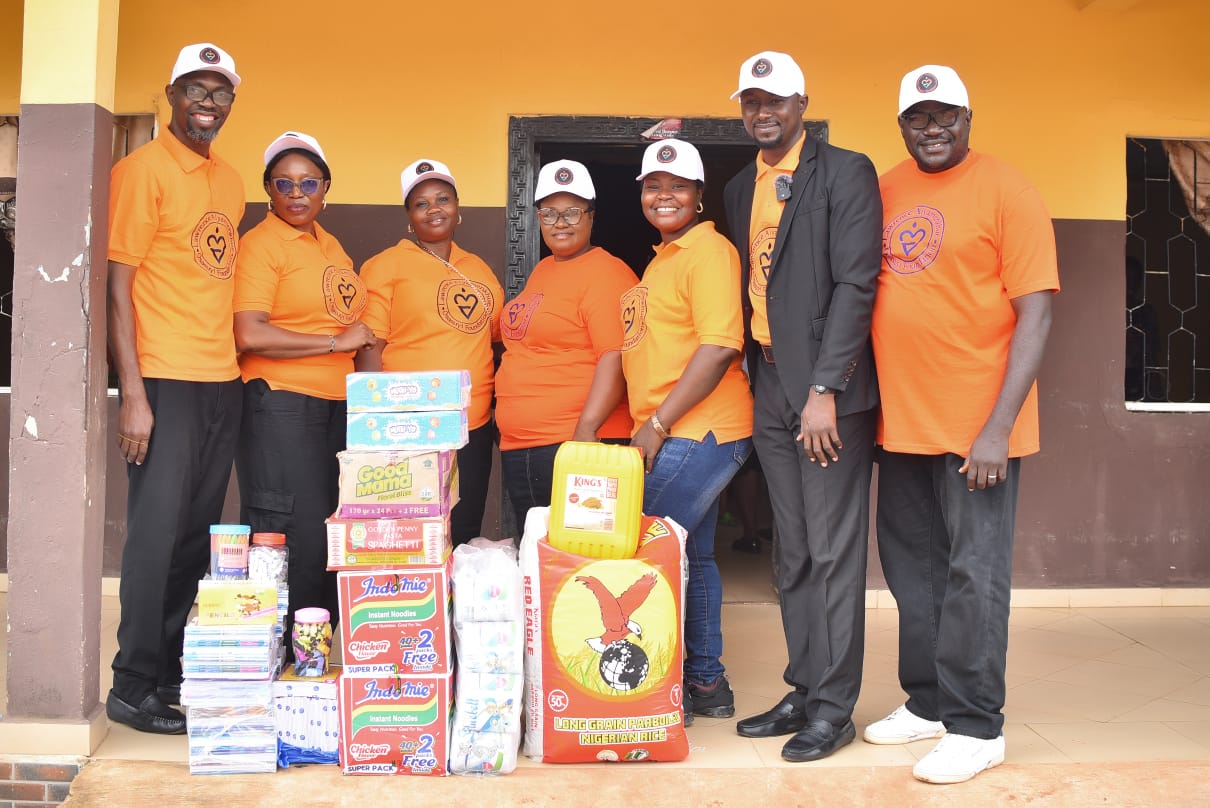
Humanitarian support is often needed at moments when individuals or families have few alternatives. We seek to respond in ways that protect dignity while helping people move toward greater stability.
Outcomes we care about
— Immediate needs safely addressed
— Reduced pressure on vulnerable households
— Better access to essential resources
— Greater stability after crisis
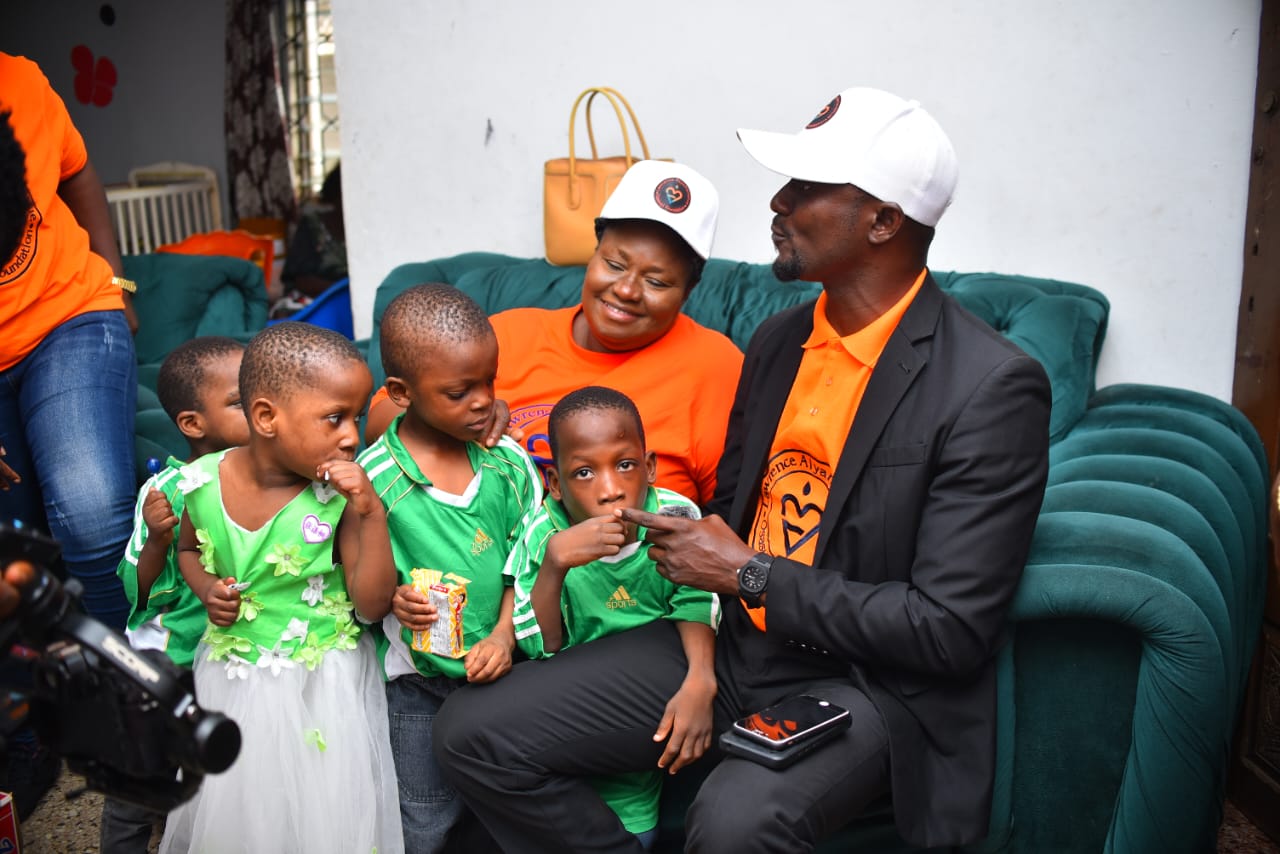
Behind Every Outcome
Reports help us understand scale. Data helps us identify patterns. But behind every number is a person whose circumstances, ambitions and challenges are entirely their own.
A school resource can mean one child feels prepared instead of left behind. A medical screening may give a family information they did not have before. Skills training may become the beginning of a new source of income.
Those individual changes are why we do the work.
Stories Of Change
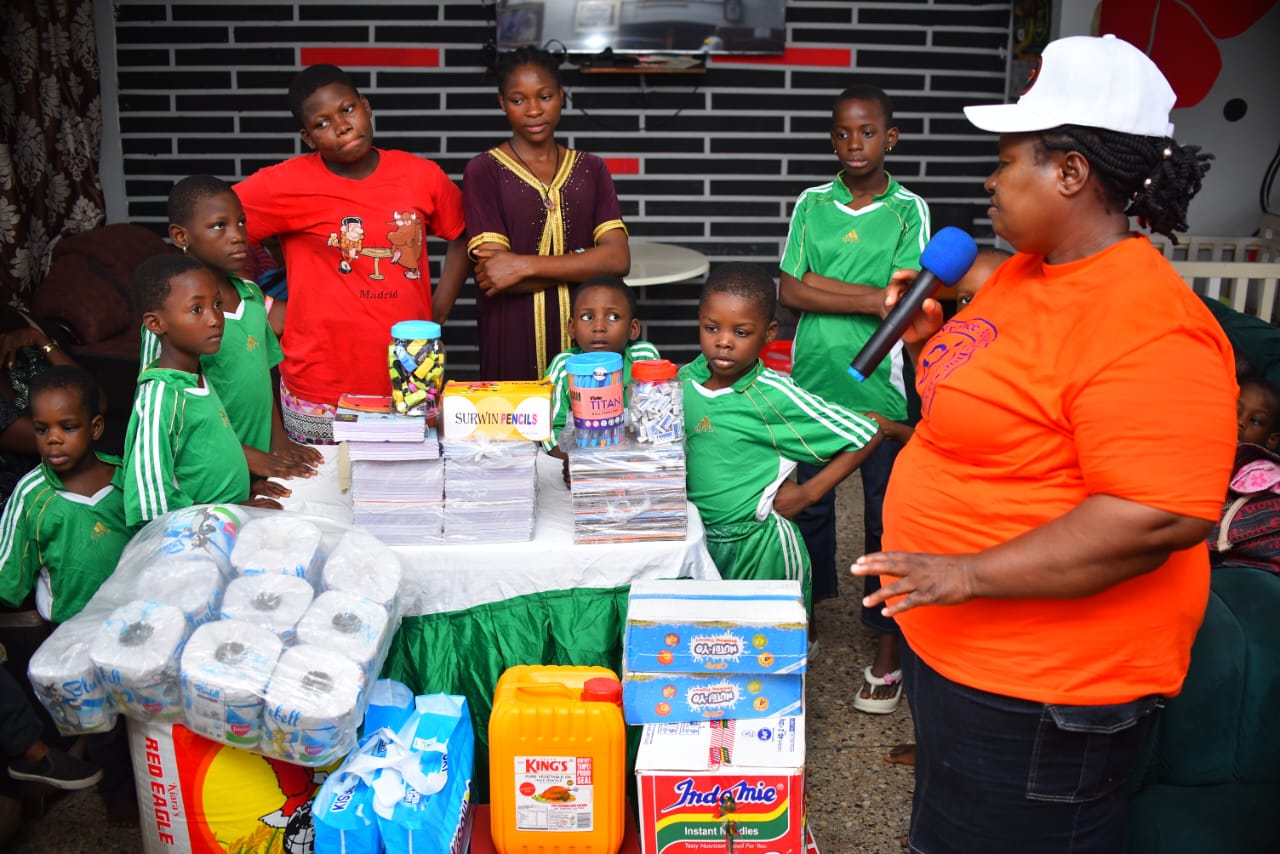 Education
Impact Story
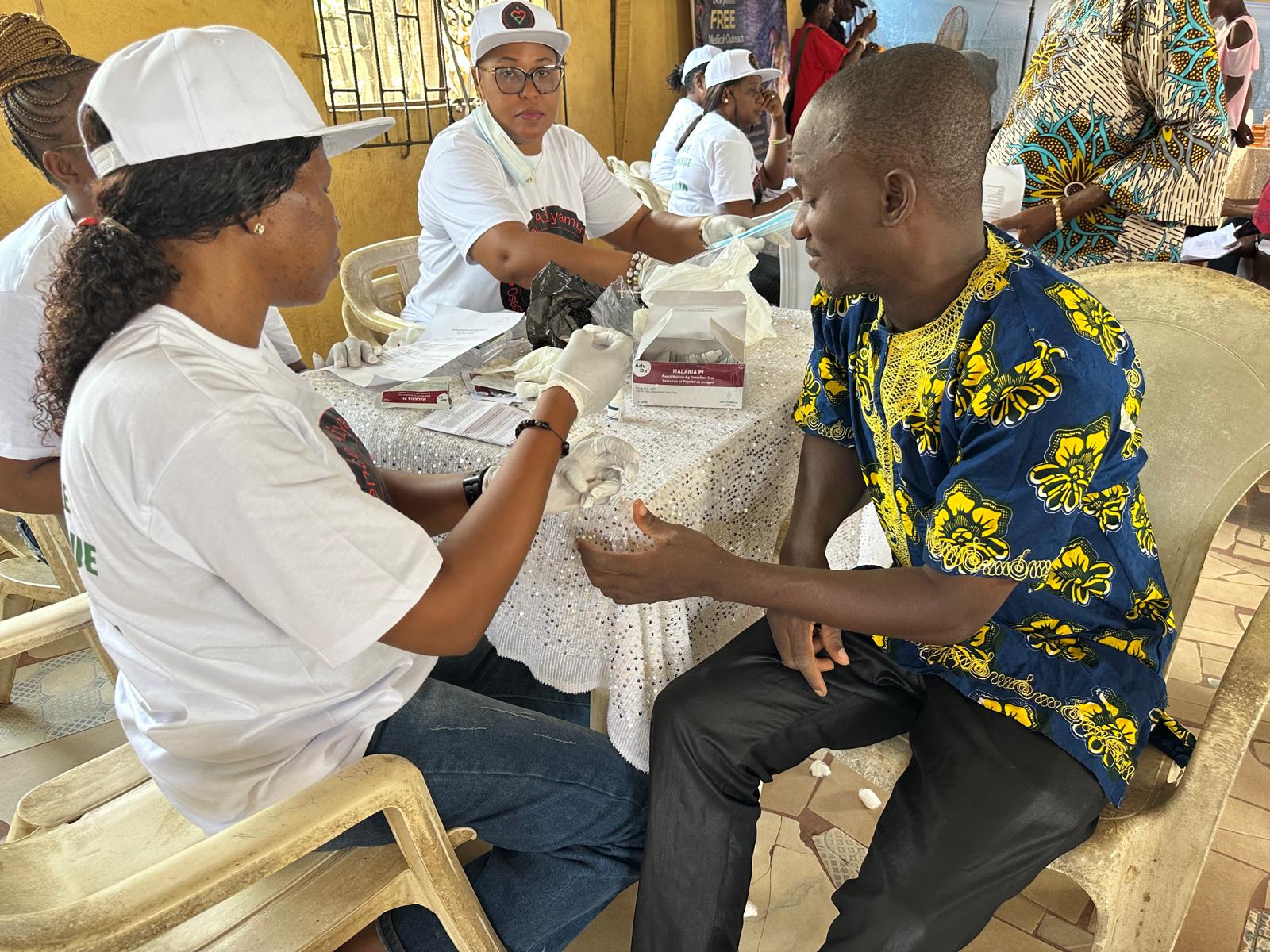 Health
Community Story
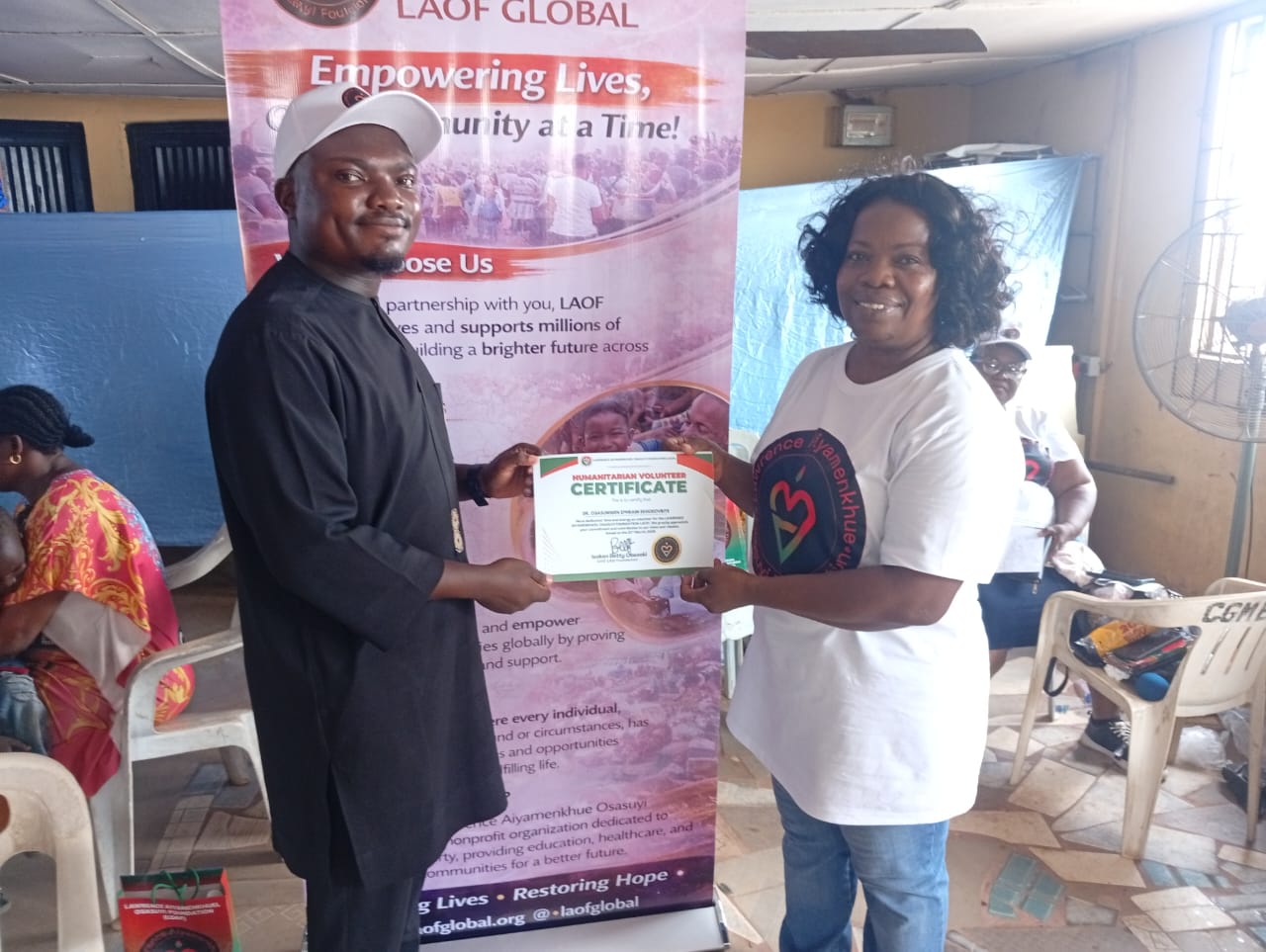 Empowerment
Impact Story
Measurement & Learning
We want to understand whether our programmes are useful, responsible and capable of creating meaningful outcomes. That requires more than celebrating activity.
Before a programme begins, we should be clear about what meaningful improvement would look like. This helps distinguish an activity from the outcome it is intended to create.
Depending on the programme, evidence may include participation records, feedback, follow-up information, observations and other indicators connected to the intended outcome.
People experiencing a programme can tell us things that numbers alone cannot. Their feedback helps us understand relevance, accessibility and unintended gaps.
Measurement should influence decisions. What we learn from one programme should help us strengthen the next, allocate resources better and avoid repeating approaches that are not working.
Reporting With Integrity
As LAOF strengthens its monitoring and reporting systems, verified programme figures can be published here to show reach, participation and outcomes transparently.
We would rather publish fewer accurate numbers than larger figures that cannot be properly supported.
People Reached
—
Add verified cumulative beneficiary figure.
Communities
—
Add verified number of communities served.
Programmes
—
Add verified completed programme figure.
Volunteer Hours
—
Add verified volunteer contribution data.
Accountability
Claims about reach and outcomes should be supported by programme information rather than assumptions.
Communities should have opportunities to contribute feedback and shape how programmes respond to their needs.
Beneficiary stories should never require people to surrender their dignity, safety or privacy for publicity.
We use lessons from implementation to improve future programmes and strengthen our approach.
What Comes Next
It is to create deeper, more durable change.
As the Foundation grows, we want stronger monitoring, better programme design, more meaningful partnerships and clearer evidence about what creates lasting value.
Scale matters. But scale without quality is not impact.
Explore Our Work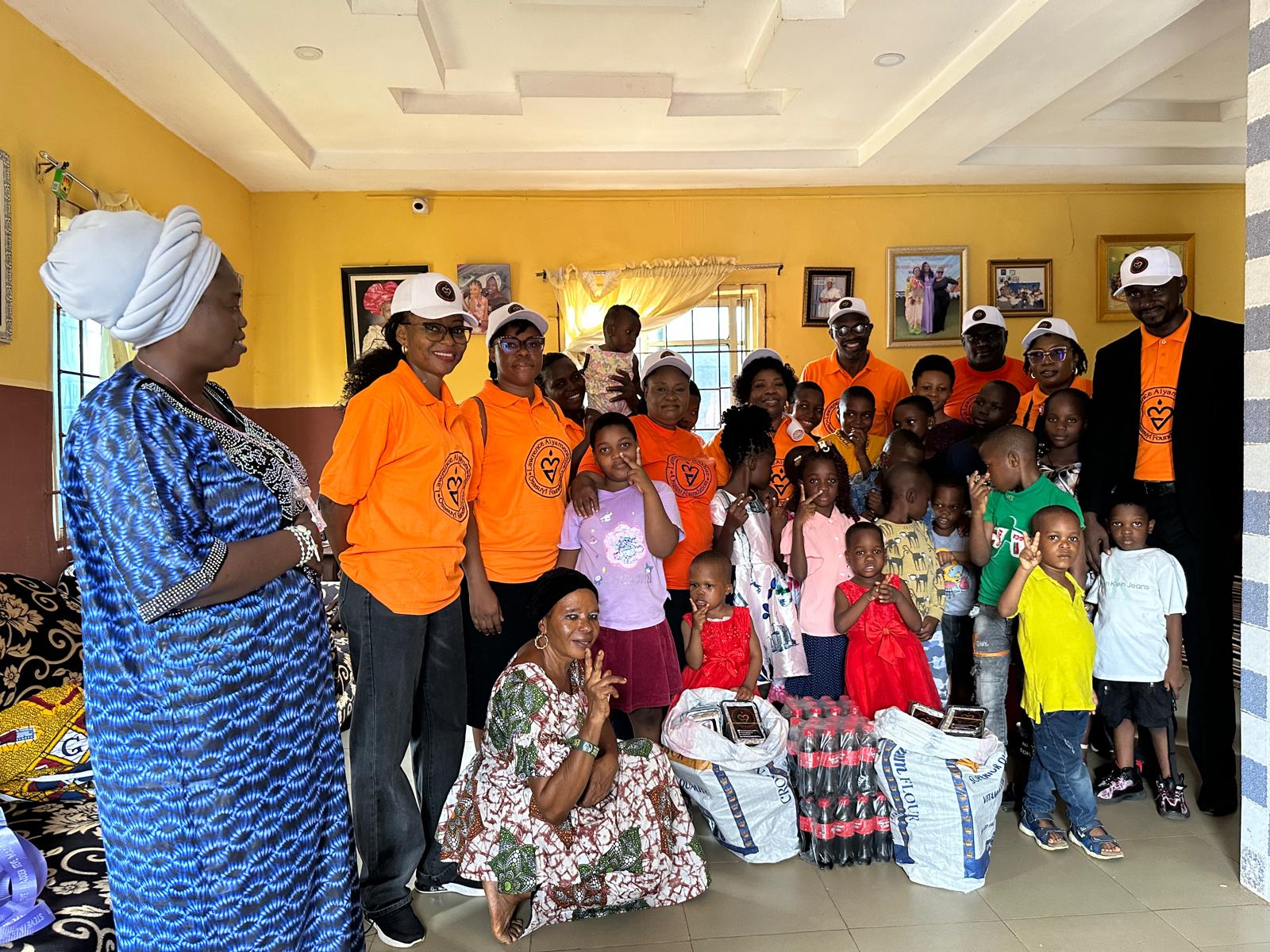
Help Create What Comes Next