Education
Helping reduce barriers to learning, educational continuity, mentorship and personal development.
Learn MoreWhat We Do
/Our work responds to the realities that can stand between people and the opportunity to learn, stay healthy, earn, participate and move forward with dignity.
Understand our approach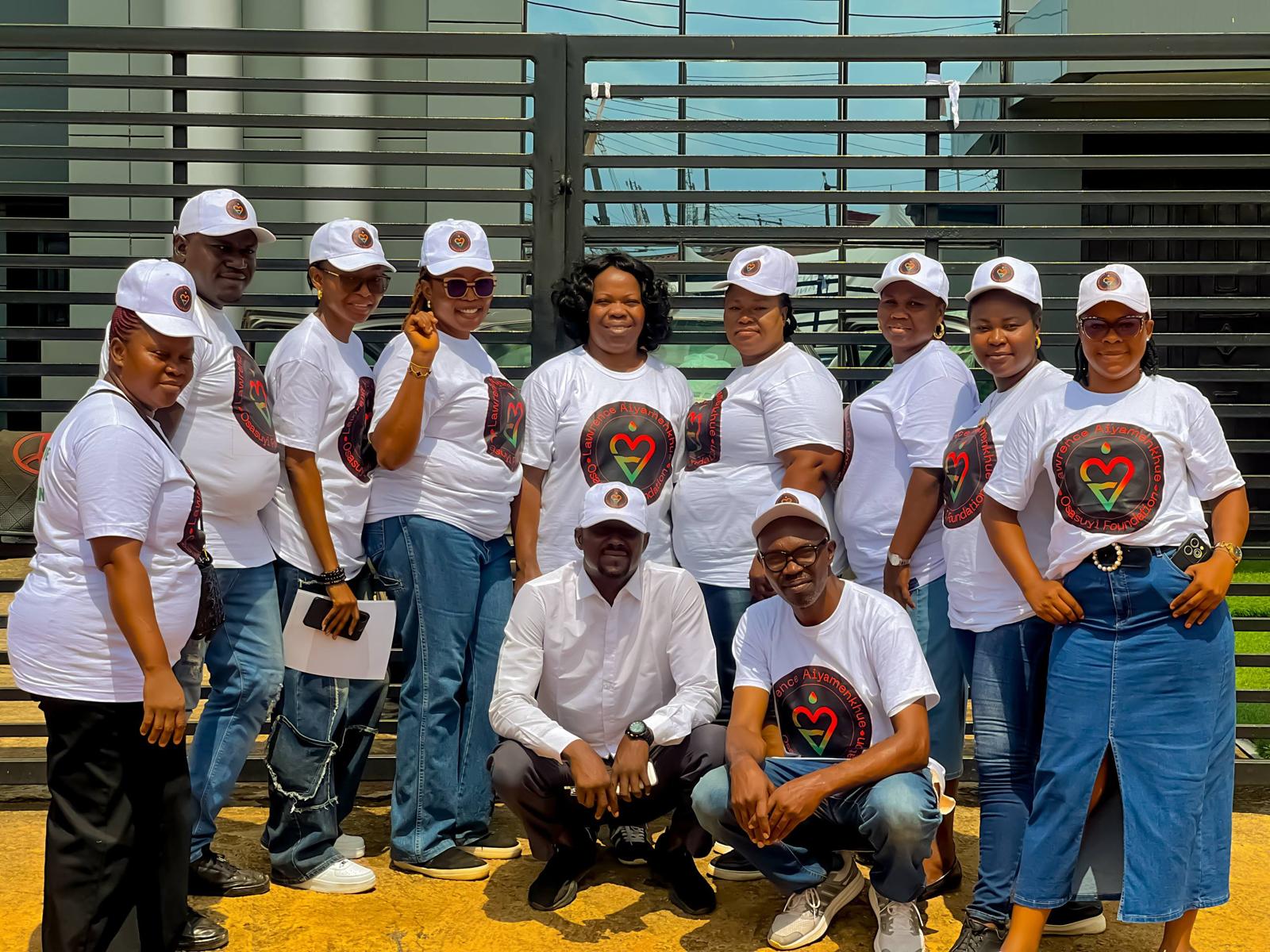
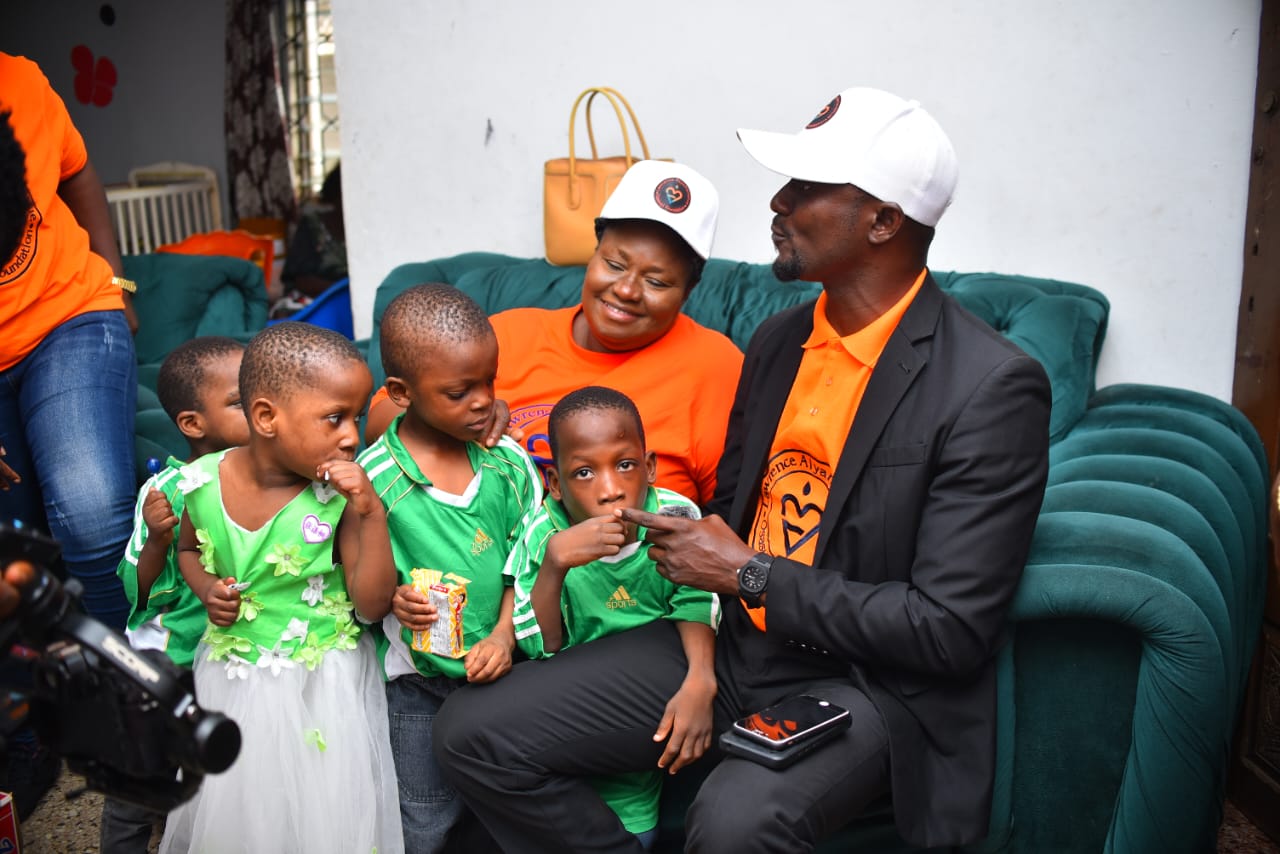
How We Think
Meet the need in front of us while asking what could prevent the same barrier tomorrow.
Our Work In Context
Education, health, income, equality and family wellbeing are deeply connected. Difficulty in one area can quickly affect another.
A child may struggle to remain in school because of financial hardship. A household experiencing illness may lose income. Someone with useful skills may still struggle because access to opportunity is limited.
This is why LAOF does not approach social challenges as isolated problems. Our programmes are shaped around the broader realities affecting people's ability to thrive.
What connects our work is a common purpose: reduce unnecessary barriers, expand practical opportunity and strengthen people's ability to move forward with dignity.
The Question Behind Every Programme
That question keeps the focus on people and outcomes instead of creating programmes simply because they look good on paper.
Where We Focus
Programme priorities can evolve as needs change, but these areas reflect the broader challenges LAOF seeks to address through its work.
Helping reduce barriers to learning, educational continuity, mentorship and personal development.
Learn MoreSupporting health awareness, prevention, community wellbeing and access to appropriate support.
Learn MoreStrengthening skills, livelihoods and access to opportunities that can improve economic independence.
Learn MoreResponding to humanitarian and practical needs during periods of hardship and vulnerability.
Learn MoreChallenging barriers that unfairly restrict access, protection, participation and opportunity.
Explore EqualityOur Programme Lens
Not every situation requires the same response. Some needs are immediate. Others require capability, opportunity or changes to the environment around people.
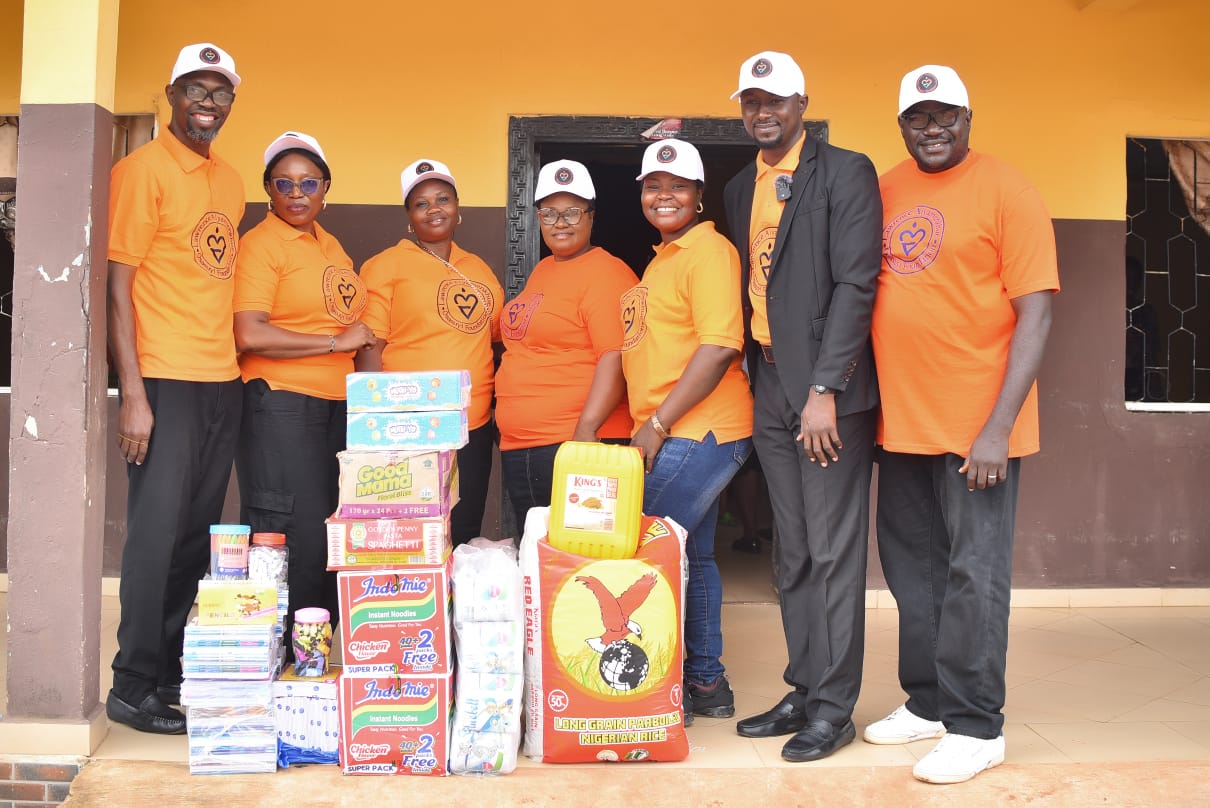
Immediate Support
When people face urgent hardship, immediate assistance can help stabilise a difficult situation and protect dignity while longer-term options are considered.
This may involve essential support, community assistance, access to information or connecting people with relevant services.
Urgent support matters. But wherever possible, it should become the beginning of a pathway rather than the end of the response.

Opportunity
Education, skills, mentorship, access to networks and practical development opportunities can help people move from short-term assistance toward greater capability.
The goal is not to decide someone's future for them. It is to help remove barriers so more futures become possible.
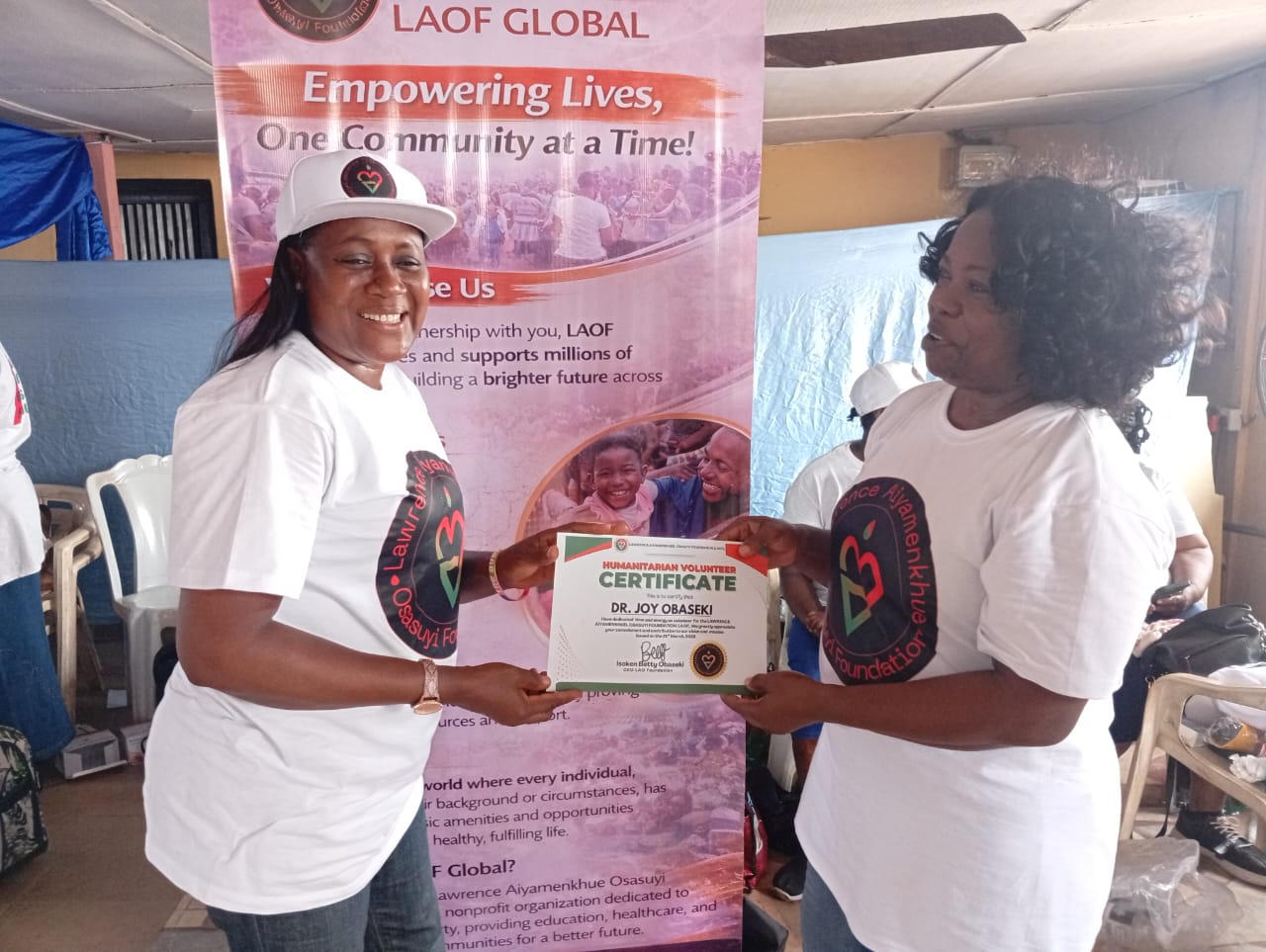
Longer-Term Change
Policies, institutional practices, access gaps and social attitudes can repeatedly recreate the same problems even after individuals receive support.
Longer-term work therefore includes advocacy, partnerships, community engagement and stronger systems capable of improving opportunity for more people.
Before We Act
Good intentions do not automatically produce good programmes. We try to understand the problem before defining the response.
Understand what people are experiencing, what they consider important and what resources already exist.
Clarify the problem, practical constraints, available partners and what a realistic intervention can achieve.
Define the activities, responsibilities, intended outcomes and safeguards required for delivery.
Coordinate people and resources while remaining responsive to what is learned during implementation.
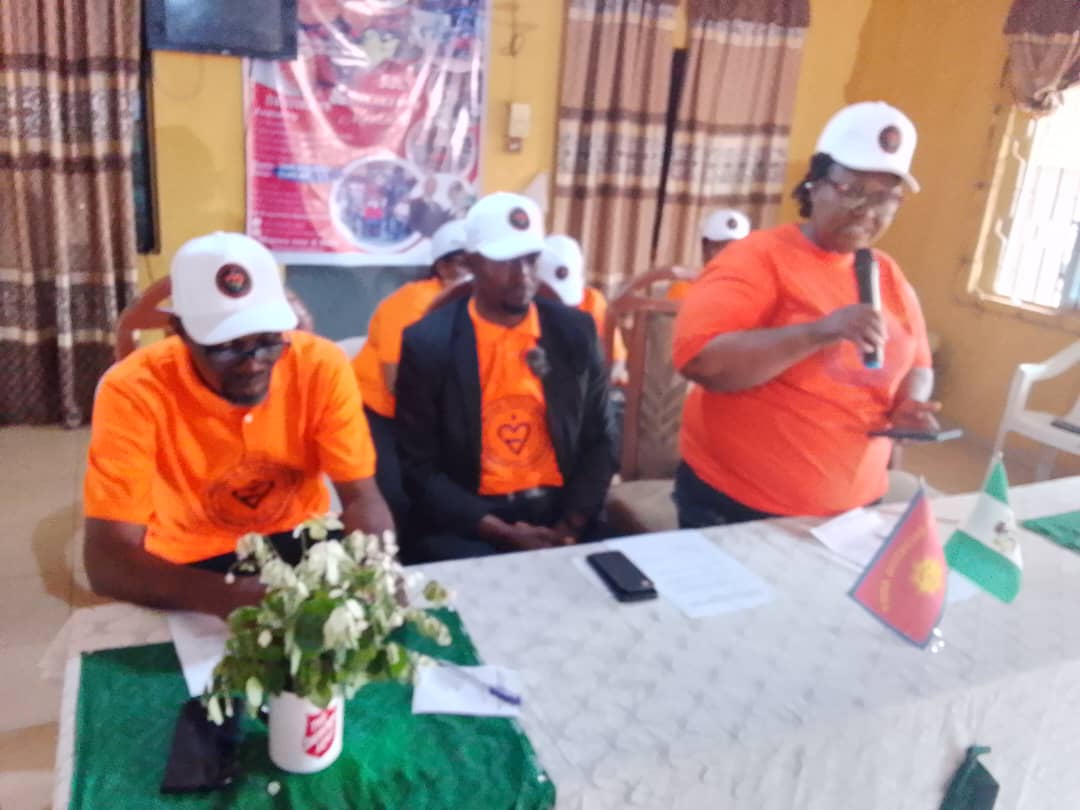
Communities Are Not Passive Recipients
Community participation improves relevance. It can reveal practical realities, existing local solutions and risks that may not be obvious from outside.
This does not mean every programme can satisfy every request. It means listening should be part of how decisions are made.
People deserve more than programmes designed around assumptions about their lives.
What Good Work Looks Like
A programme can look busy without producing meaningful change. We therefore try to distinguish between what happened and what became different because it happened.
Programmes should be connected to an identified problem rather than created simply because an activity is easy to organise or visually attractive.
Participation in a programme should never require someone to become a public symbol of poverty, vulnerability or hardship.
Time, funding and partnerships should be directed toward activities that contribute meaningfully to the intended result.
Where appropriate, support should increase access, capability, resilience or independence rather than creating unnecessary dependence.
Responsible programme delivery includes asking what worked, what did not and what should change before the next intervention.
Why Partnerships Matter
Better outcomes often require different organisations bringing different strengths to the same problem.
A healthcare professional may provide technical knowledge. A school may understand learners' needs. A company may contribute technology or resources. Community leaders may provide relationships and local understanding.
LAOF therefore sees partnership as part of programme capability — not merely a fundraising channel.
Explore PartnershipsEvidence, Feedback & Learning
Be clear about the intended outcome before activities begin.
Gather useful information about delivery, participation and progress.
Include participant and community feedback in understanding what the programme achieved.
Use what we learn to strengthen future programme design and delivery.
What We Ultimately Want To See
People can reach education, care, information, resources or opportunities previously out of reach.
Participants develop knowledge, skills, confidence or practical capacity.
Individuals, households or communities become better equipped to navigate future challenges.
People leave with more available choices and stronger pathways toward the future they want to build.
The Work Continues
We want programmes to become more relevant, more thoughtful and more capable of producing meaningful outcomes.
That requires learning from communities, strengthening partnerships, improving programme design and remaining willing to change our approach when better evidence becomes available.
Explore Our Impact
There Are Many Ways To Strengthen The Work